Financing The Future Of Construction With Mashreq

Leveraging a legacy of landmark projects, Mashreq is driving the next wave of construction finance with bespoke solutions, green incentives, and Shariah-compliant innovation
Words by: Khadeeja Hamid
As the construction industry evolves, financing remains a cornerstone of successful project delivery. In this discussion, Arun Mathur, Global Head of Contracting Finance, Mashreq, explores how the bank is driving innovation in construction finance through flexible repayment structures and sustainable investment. The growing role of Islamic finance in the sector is addressed by Iqbal Khanyari, Head of Wholesale Islamic Banking, Mashreq.
Mashreq has been instrumental in financing several landmark projects in the UAE. How does this legacy shape your current approach to construction financing?
Arun: At Mashreq, we take immense pride in our long-standing commitment to shaping the UAE’s built environment. Since establishing our specialized Contracting Finance Practice in 1991, we have played a pivotal role in financing landmark projects such as the Burj Khalifa, Museum of the Future, Expo 2020 pavilions, and major metro systems.
Construction is a cyclical industry and is exposed to ever-changing market dynamics. Our legacy has given us deep industry insights, enabling us to anticipate these market shifts before they occur. Our approach today is rooted in relationship banking customized to client needs and changing times. At Mashreq, we do not simply focus on the mechanisms of financing projects; we identify and establish effective partnerships with the most respected contractors to offer bespoke financial solutions. With new megaprojects emerging, our experience allows us to assess the project requirements more effectively, offer tailored contracting finance structures, and thereby support clients to navigate constantly changing market conditions.
Repayment terms for contractors and developers can be a divisive subject. How does Mashreq balance financial risk with providing flexible facility structures that support the sector?
Arun: The nature of Contracting financing is inherently complex and bespoke. Contractors need a wide variety of financial products including guarantees, letter of credits and asset-backed short term financing. The size and mix of these products varies with the nature and stage of each project. To add to this, Contractors often face delayed payments, cost escalations, and sometimes uncertain project timelines. Efficient contracting finance solutions are structured around the project cash flows hence, are self-liquidating in nature. At Mashreq, we recognize these challenges and design facility structures aligned to the project while ensuring financial prudence and discipline.
Our goal is to enable contractors to effectively execute the project, without jeopardizing financial stability. One of the key solutions we offer is milestone-based financing, which sets down facility drawdowns and repayments in lines with project cash flows and completion of project milestones . This reduces financial strain on contractors and allows us to assess financial risk dynamically to adjust facility terms as project progresses, ensuring that our facilities are available at crucial phases of the project.
The construction sector is under increasing pressure to adopt sustainable practices. How does Mashreq incentivize green projects, and what criteria does it consider when financing sustainable developments?
Arun: We actively incentivize green projects by offering preferential financing rates for developments that align with ESG (Environmental, Social, and Governance) criteria and independently measurable ESG key performance indicators (KPIs).
When assessing projects for financing, we prioritize designs that incorporate sustainable building materials and energy-efficient technologies; that follow international green certification standards such as LEED or Estidama; and that utilize smart infrastructure to reduce energy consumption and waste.

Iqbal: We also offer green sukuks/bonds and sustainability-linked financing, enabling clients to access capital at lower costs if they meet specific sustainability targets. This reinforces our commitment to fostering a greener, more resilient construction ecosystem.
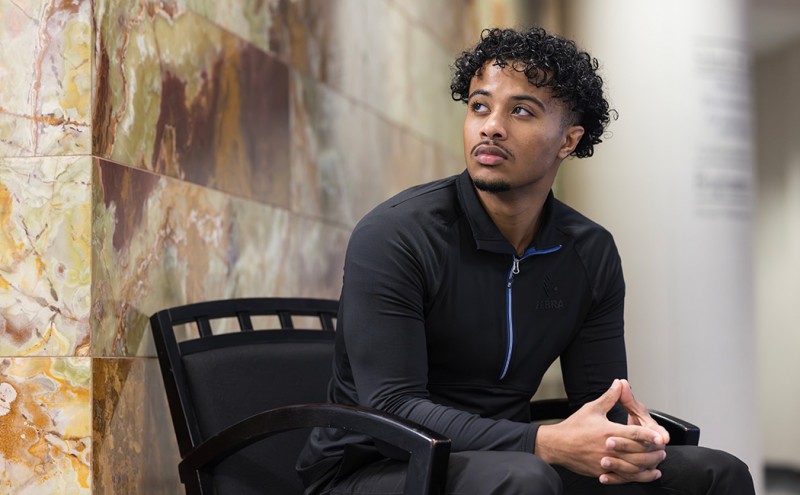
Iqbal Khanyari: Head of Wholesale Islamic Banking
Mashreq Corporate & Investment Banking Group
With the GCC seeing over $273.2 billion in contract awards in 2024, how is Mashreq positioning itself to support this boom in construction activity?
Arun: The region is experiencing an unprecedented surge in construction, particularly in Saudi Arabia, the UAE, and Egypt. At Mashreq, we are expanding our financing solutions to support developers, contractors, and investors who are capitalizing on this growth.
Our approach includes resilient regional expansion, with a focus on strengthening our presence in key growth initiatives like Saudi Arabia’s Vision 2030 developments and Egypt’s New Administrative Capital projects. Through innovative funding mechanisms, we offer tailored financing solutions to help firms secure large-ticket project funding. To expedite project financing for onboarded clients, we prequalify clients and pre-assess their execution capabilities, thus streamlining the credit approval process, enabling contractors to access capital faster for specific project needs.
As a regional bank with presence across GCC and Egypt, our contracting finance practice offer our clients, a single-window to meet the financing requirements of their projects, not just in the UAE, but the rest of GCC and Egypt.
Islamic finance has gained traction in the construction sector, offering interest-free alternatives that align with Shariah principles. How does Mashreq integrate Islamic financing solutions into its construction lending portfolio, and what advantages does this offer to developers and contractors?
Iqbal: Islamic finance is a key pillar of our construction financing offerings. We provide asset-backed, cash-flow-driven funding and Shariah-compliant financial solutions that cater to clients who prefer interest-free alternatives while maintaining the same level of financial flexibility, ensuring ethical, interest-free funding through markup and profit-sharing models. A range of key products make up our Islamic banking offering; Kafalas offer bid bonds, mobilization, performance, retention, and warranty guarantees, while letters of credit include Wakala for services and Murabaha for goods. Receivables-backed financing includes Wakala or Commodity Murabaha, tied to progress payment certificates. Contingent financing includes Mudaraba or Musharaka for structured project funding.
Looking ahead, what trends do you foresee shaping the future of construction financing?
Arun: I believe the future of construction financing will be driven by three key trends. Demand for sustainable finance – green and ESG-linked financing models that align with global sustainability goals – will grow. There will be wider adoption of integrated digital solutions such as AI-driven risk assessment, digital facility management platforms, and automated decision-making to enhance efficiency and reduce delays. And there will be a shift towards flexible financing models such as hybrid solutions that blend traditional contract lending with PPPs, Islamic finance, and digital funding mechanisms, enabling real-time budget tracking, loan applications, and financial insights. By integrating these innovations, we enhance transparency, streamline access to capital, and improve overall project efficiency, providing clients with a seamless, future-ready banking experience. At Mashreq, we continuously evolve to meet these industry shifts, ensuring we remain the financial partner of choice for the next generation of construction and infrastructure projects.
link